

Misophonia Therapy in Washington, DC (Telehealth)
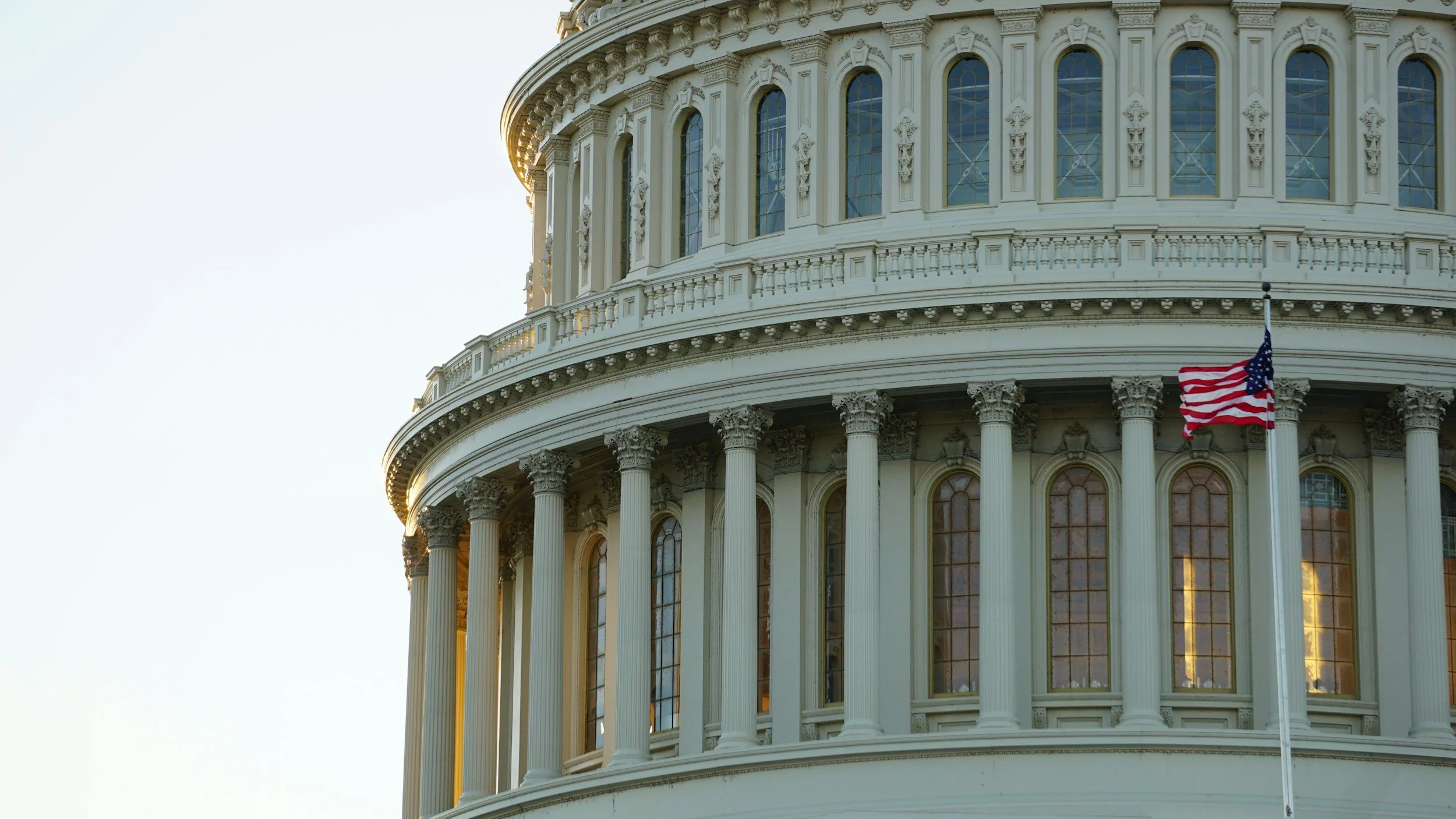
Misophonia Therapy in Washington, DC (Telehealth)
Specialized Virtual Treatment with PsychWell — formerly the Center for OCD and Misophonia
If you live in Washington, DC and struggle with misophonia, you already know how isolating it can feel.
Misophonia is not just irritation. It is an intense, involuntary emotional reaction to specific sounds or movements — chewing, breathing, throat-clearing, tapping, foot-shaking, or even the sight of someone fidgeting. These triggers don’t just annoy you. They can make your body tense, your chest tighten, and your mind feel hijacked by anger, panic, or disgust.
And in a city like DC — where people live and work closely, often in high-stress environments — misophonia can quietly take over your life. Open offices. Metro rides. Shared apartments. Family dinners. Even time with people you love can become exhausting and painful.
Many people in DC search for a therapist who “gets” misophonia — and discover there aren’t many. That’s because misophonia is highly specialized. Most therapists are not trained to treat it in a way that actually works.
PsychWell, formerly the Center for OCD and Misophonia, provides specialized virtual misophonia therapy for clients in Washington, DC and across participating states. You don’t have to find a local expert. You can work with one — from your own home.
What Misophonia Actually Feels Like
People often describe misophonia as being “triggered by sounds,” but that barely captures what it’s really like.
Misophonia feels like:
A sudden surge of rage or panic when someone chews, breathes, or sniffs
The urge to escape, cover your ears, or lash out
A sense that the sound is “wrong,” intrusive, or unbearable
Guilt or shame afterward for reacting so strongly
Fear about living with others, being in relationships, or having children
For some people, the triggers are mostly auditory. For others, they are visual — chewing movements, foot shaking, repetitive gestures. (This is often called misokinesia.) But the emotional experience underneath is the same: your nervous system feels invaded and unsafe.
What makes misophonia especially painful is that it usually comes from people you care about — a spouse, a parent, a child, a coworker. That turns everyday moments into emotional minefields.
You might think:
“Why can’t they just stop?”
“Why am I like this?”
“What kind of person gets angry at their own family?”
That mix of anger and shame is not a personality flaw. It’s part of how misophonia works.
Why Most Therapy in DC Doesn’t Work for Misophonia
Many people in Washington, DC have tried therapy before coming to us. They may have been told:
“Just practice coping skills.”
“Try to relax.”
“It’s just anxiety.”
“Do exposure to the sounds.”
Unfortunately, most of these approaches fail — or make misophonia worse.
Misophonia is not simply a sound sensitivity or anxiety disorder. It is rooted in emotional rigidity, shame, and a nervous system that has learned to equate certain sensations with threat and loss of control.
When therapy focuses only on suppressing reactions or forcing exposure without emotional processing, the nervous system stays locked in protest. The triggers remain powerful. The shame deepens.
At PsychWell (formerly the Center for OCD and Misophonia), we treat misophonia differently — because it is different.
The EASE Model: A Different Way to Heal
Our work is built around a proprietary model called EASE: External Acceptance and Self Engagement.
This model was developed specifically for misophonia and related conditions. It reflects what we see clinically over and over again: people don’t get stuck because they are weak. They get stuck because they are trapped in a fight with reality and with themselves.
External Acceptance
This means learning to stop organizing your life around trying to control or change the people and sounds that trigger you. Not because you like them — but because fighting them keeps your nervous system locked in pain.
You learn to treat triggers as something that exists, not something you must defeat.
Self Engagement
This is learning how to turn toward your own emotions — anger, shame, grief, fear — instead of suppressing or judging them. Misophonia is sustained by emotional avoidance. Healing requires emotional flexibility.
Together, these two processes retrain your nervous system to experience triggers as uncomfortable — but no longer dangerous.
How Virtual Misophonia Therapy Works in Washington, DC
All of our work with DC clients is done through secure telehealth sessions.
This allows you to receive true specialist care without needing to find someone local who happens to understand misophonia.
Virtual treatment is especially effective for misophonia because:
We work with you in the environment where your triggers actually occur
We can practice skills in real time, not just talk about them
You don’t have to commute or sit in a waiting room
You can do therapy from your home, office, or anywhere private
We work with adults, teens, couples, and families across DC who are ready to stop letting misophonia dominate their lives.
Who This Is For
PsychWell’s misophonia program is designed for people who:
Have strong reactions to sound or visual triggers
Feel ashamed, angry, or confused about their reactions
Have tried other therapy without lasting relief
Are in relationships that feel strained by misophonia
Want a deeper, more meaningful solution — not just coping
This work is not about forcing you to tolerate pain. It’s about helping your nervous system become flexible enough that the pain no longer runs your life.
A Different Future Is Possible
Misophonia can make you feel trapped — in your body, in your relationships, in your own reactions. But it is not permanent. Your nervous system learned these patterns. It can learn new ones.
PsychWell, formerly the Center for OCD and Misophonia, offers specialized virtual misophonia therapy for clients in Washington, DC who are ready for something deeper and more effective.
You don’t have to keep fighting the sounds.
You don’t have to keep fighting yourself.
Schedule a Misophonia Consultation
Virtual appointments available for clients in Washington, DC.